
Case Overview
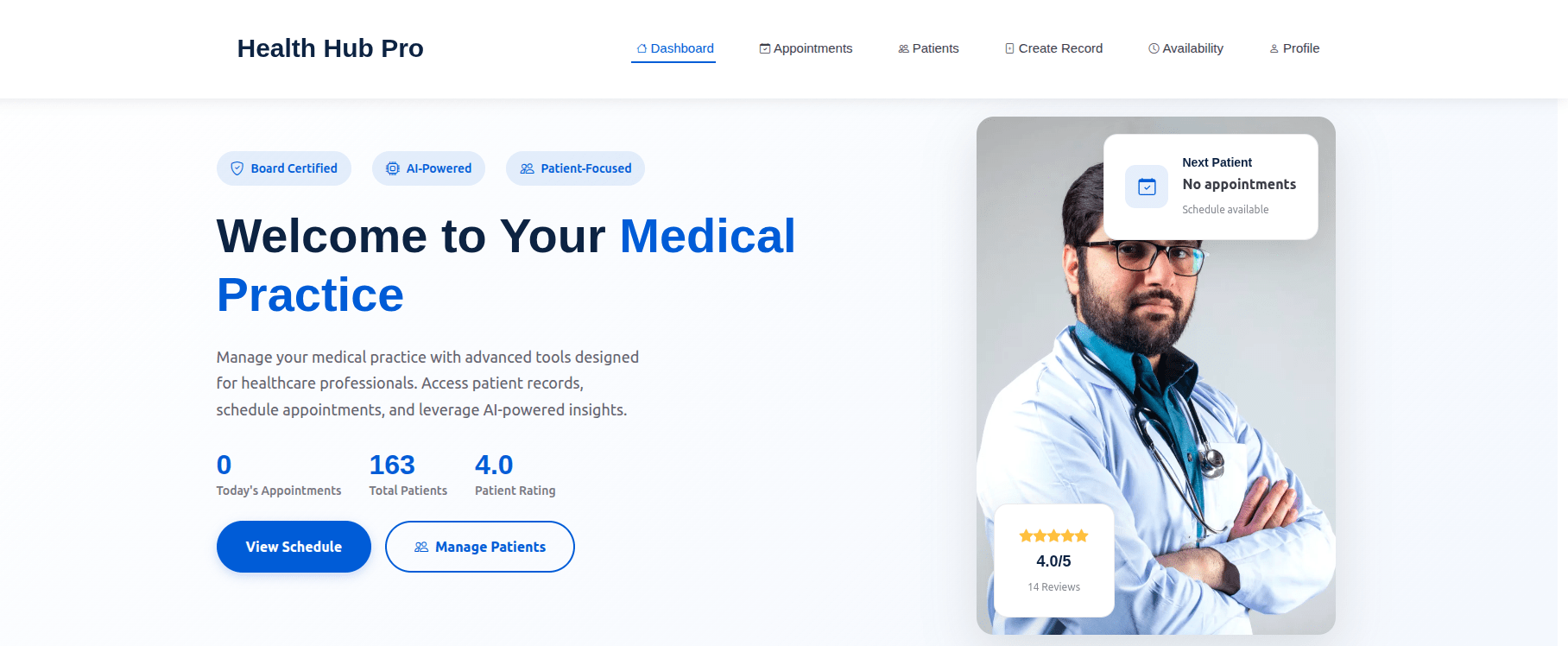
Health Hub is a centralized digital healthcare platform that integrates multiple health services into a seamless ecosystem. The platform improves accessibility, enhances usability, and builds user trust through a clean, intuitive, and secure interface.
I was involved end-to-end — from research and architecture planning to UI design, AI integration, and final production handoff.
Involvement
- Website Strategy & User Experience Enhancement.
- Food & Beverage Brand Experience.
- Wix Studio Website Development.
- Mobile-First Responsive Design.
- Performance & Conversion Optimization.
The Brief
Health Hub is a centralized digital healthcare platform that integrates multiple health services into a seamless ecosystem. The platform improves accessibility, enhances usability, and builds user trust through a clean, intuitive, and secure interface.
Problem Statement
Problem Statement
The healthcare experience is often fragmented. Patients and providers struggle with:
- Scattered healthcare services across multiple platforms
- Complex and confusing user interfaces
- Limited accessibility across devices
- Lack of trust in digital health systems
- Inefficient appointment and consultation processes
- Insecure or poorly managed medical data
- Limited intelligent health assessment tools
The challenge was to design and develop a modern, secure, AI-powered Health Hub that centralizes services while ensuring accessibility, usability, and professional credibility.
Solutions
To address these challenges, we designed and developed a comprehensive healthcare ecosystem:
1. Centralized Healthcare Services
- Telemedicine & video consultations
- AI-powered symptom analysis
- Electronic Medical Records (EMR)
- Appointment scheduling & management
- Multi-role dashboards (Patients, Doctors, Admins)
2. User-Centric Experience
- Clean and intuitive medical UI
- Simplified navigation architecture
- Role-based user flows
- Responsive, device-optimized design
3. AI-Powered Health Intelligence
- Hybrid Symptom Analyzer (Primary AI System)
- Random Forest Classifier (Machine Learning Model)
- 100+ symptom dataset
- 15+ emergency condition detection indicators
4. Secure & Scalable Architecture
- JWT-based authentication
- Role-based access control
- Secure medical data handling
- Real-time communication via SocketIO
- HIPAA-inspired data protection principles
5. Seamless Cross-Device Performance
- Mobile-first responsive interface
- Optimized performance using Vite
- Cross-browser compatibility
Our Approach
We carefully structured the site to prioritize gentle guidance and informed choice. Key components include:
- User research and requirement analysis
- Healthcare workflow study
- Stakeholder alignment sessions
- Healthcare user journey mapping
- Role-based architecture design
- Content structuring & information hierarchy
- Component-based UI development
- Professional medical interface styling
- Accessibility-focused interaction patterns
- Full-stack architecture planning
- AI model integration
- Iterative security testing
- Continuous deployment readiness
- Production-ready deployment
- Complete developer handoff
- Scalable infrastructure design
Research & Discovery
UX Strategy
Design System
Technical Implementation
Final Delivery
Tools Used
- React
- Vite
- React Router DOM
- Recharts
- Web Speech API
- MediaRecorder API
- Python
- Flask
- Flask-SQLAlchemy
- Flask-JWT-Extended
- Flask-CORS
- Flask-SocketIO
- MySQL
- Flask-Migrate
- Hybrid Symptom Analyzer
- Medical Knowledge Base System
Frontend
Backend
AI & Machine Learning
The Results
Related Projects
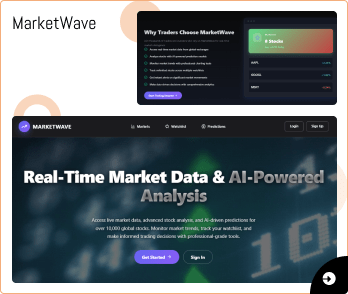
The MarketWave Application is a full-stack, enterprise-ready web platform designed to help retail investors and traders efficiently analyze stock market data, track performance, and make informed investment decisions. The system centralizes stock search, historical analysis, watchlist management, and AI-powered price predictions, making it suitable for individual investors as well as growing FinTech platforms.
The application functions as a centralized market intelligence system similar to professional stock analysis tools, but is custom-built using free-tier infrastructure to ensure cost efficiency while maintaining performance and scalability. It enables users to monitor market trends, analyze historical performance, manage personalized watchlists, and receive predictive insights through machine learning models.
The platform is built using a modern SPA architecture with a React frontend and a FastAPI REST backend secured using JWT-based authentication. The system integrates multiple financial data providers (yfinance, Finnhub, FMP) and includes an LSTM-based ML pipeline to generate 7-day, 30-day, and 90-day price forecasts.

The Loan Management System is a comprehensive digital platform designed to centralize and streamline lending operations for financial institutions and micro-lenders. The product focuses on automating loan origination, underwriting, servicing, compliance, and reporting while delivering a clear, accessible experience for loan officers and borrowers.