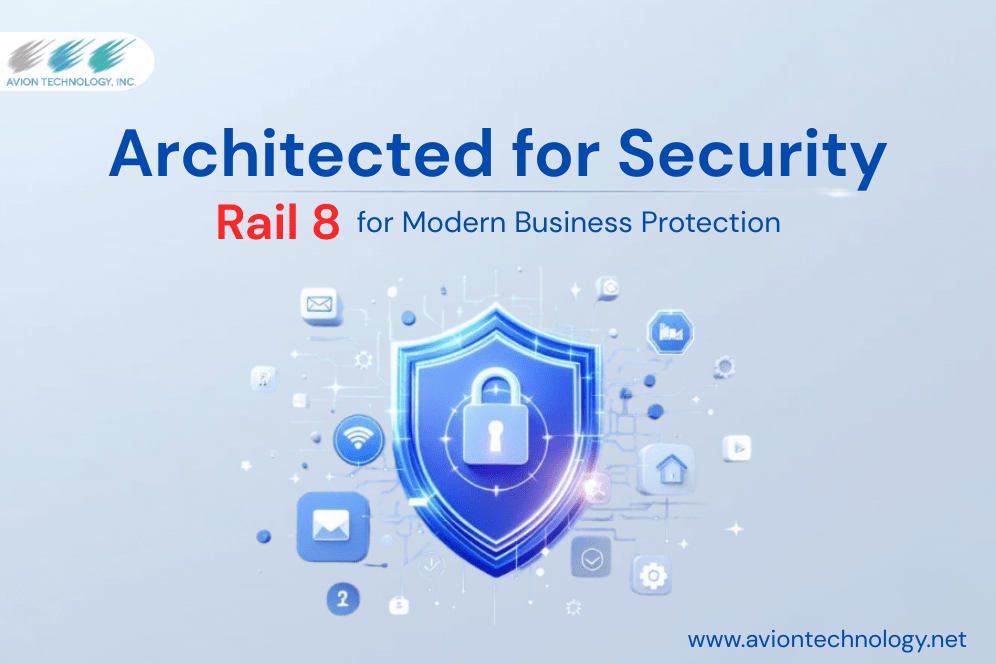
In the high-stakes digital economy of 2026, cybersecurity is no longer an optional feature or a checklist item; it is a core business requirement. As data breaches become increasingly sophisticated and regulatory penalties grow more severe, companies need a technology stack that not only supports security but enforces it from the very first line of code.
Rails 8 has transformed the security landscape by moving away from opaque, third-party dependencies and embracing a Native Security First(providing robust security features out-of-the-box) philosophy. By integrating critical protections directly into the framework, Rails 8 allows businesses to move quickly without worrying about undermining foundational security.
The Shift to Transparent Authentication
One of the most notable updates in Rails 8 is the move away from “magic” solutions for user security. Historically, developers relied on complex external libraries like Devise, which, while powerful, often obscured how authentication worked and where potential vulnerabilities might exist.
Rails 8 addresses this with its Native Authentication Generator(built-in command-line tool), which builds a complete, session-based security system directly into your application code. This means authentication logic is now fully visible, editable, and auditable by your team. The system automatically tracks important metadata such as IP addresses and user agents, providing an immediate and detailed audit trail for every login attempt.
Building a “Zero-Trust” Local Environment
Rails 8 extends its security philosophy across the entire application stack. In a landscape where “man-in-the-middle” attacks are increasingly common, the framework keeps sensitive data close to home. The new Thruster Proxy(an HTTP/2 proxy server) acts as a built-in security layer, automatically managing SSL/TLS(Secure Sockets Layer/Transport Layer Security) certificates via Let’s Encrypt. This ensures that all data moving between your servers and users is encrypted without requiring complex manual configuration of web servers like Nginx.
Additionally, the Solid Stack(Set of Database) comprised of Solid Queue and Solid Cache ensures that sensitive background job data and cached fragments remain within your primary database. By keeping this information internal, Rails 8 minimizes the risk of interception and closes a frequent attack vector present in external caching solutions like Redis.
Navigating Challenges and Trade-Offs
While Rails 8 provides stronger default security, adopting a native model does come with considerations. Since authentication code now resides within your application rather than in a managed ruby gem, your development team is responsible for keeping it updated and audited as security standards evolve.
The built-in authentication generator is intentionally lean. Businesses requiring advanced features, such as social login via OAuth or biometric authentication, will still need expert integration on top of the native foundation. Despite these challenges, Rails 8 provides a secure, auditable, and modern starting point for any application.
Impact on FinTech and Financial Services
The FinTech sector is likely to benefit most from Rails 8’s native security features. Financial applications face continuous regulatory scrutiny, including PCI-DSS(Payment Card Industry Data Security Standard) and GDPR(General Data Protection Regulation) requirements. Rails 8’s native rate limiting and session management make it easier for startups and established companies alike to demonstrate compliance. By keeping authentication logic transparent and in-house, auditors can review how data is protected, reducing both time and cost associated with security certifications.
Preventing Unauthorized Access
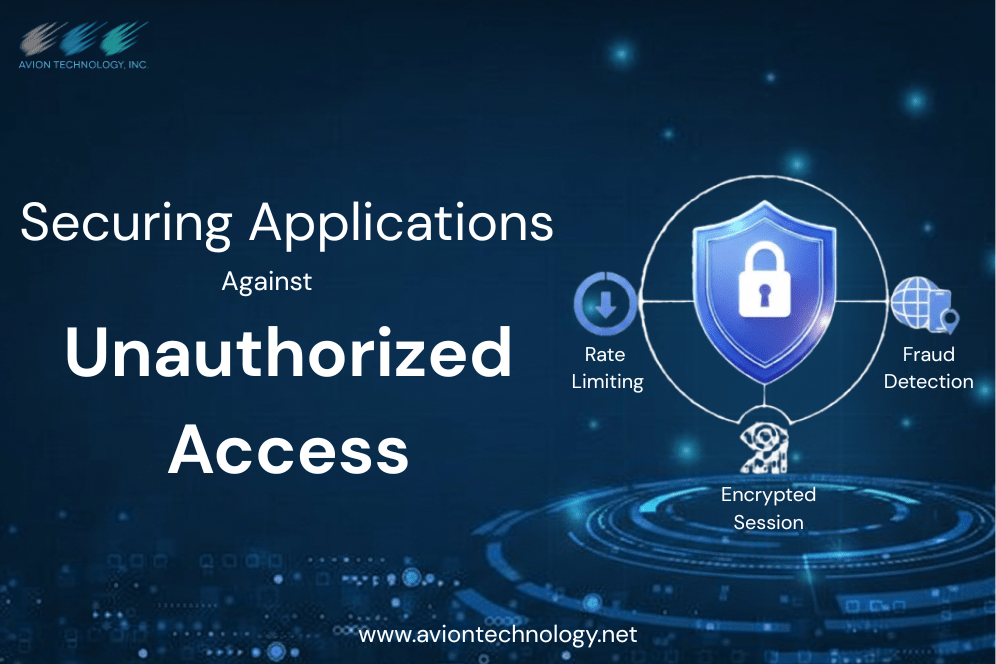
Rails 8 protects against Account Takeover (ATO) attacks with built-in features that secure your login system by default. Native rate limiting(the built-in, first-party functionality introduced in Rails 7.2 and enhanced in Rails 8) blocks repeated failed login attempts from suspicious IPs, while encrypted session metadata tracks user devices and locations, flagging unusual activity in real time. These measures provide strong protection without disrupting the user experience.
Strategic Security for Long-Term Stability
Security is constantly evolving, and your application needs to evolve with it. AI ready Rails 8 reduces reliance on third-party libraries, lowering the risk of sudden vulnerabilities, abandoned gems, or emergency security patches.
With security built directly into the framework and maintained by the core Rails team, updates are more reliable, predictable, and aligned with long-term development goals. This means your application isn’t just secure today; it’s prepared for tomorrow.
By minimizing technical debt and reducing rework, Rails 8 provides a stable, scalable foundation that supports both security and business growth.
Avion Technology: Strengthening Rails 8 Security
At Avion Technology, our skilled Ruby on Rails teams and strong engineering culture help businesses implement Rails 8’s native security features effectively. By combining deep expertise with disciplined development practices, we build security directly into every application. This approach ensures that authentication and data management remain transparent, reliable, and scalable, giving your business the confidence to grow while maintaining a strong, resilient security posture.
Secure Your Business Today for Future
Outdated security practices should never slow innovation. Whether building a new MVP or upgrading a legacy system, Rails 8 provides a strong foundation to protect your users by default.
Ready to build a secure, high-performance Rails 8 application? Contact Avion Technology today for a consultation and take the first step toward a safer, more resilient platform.