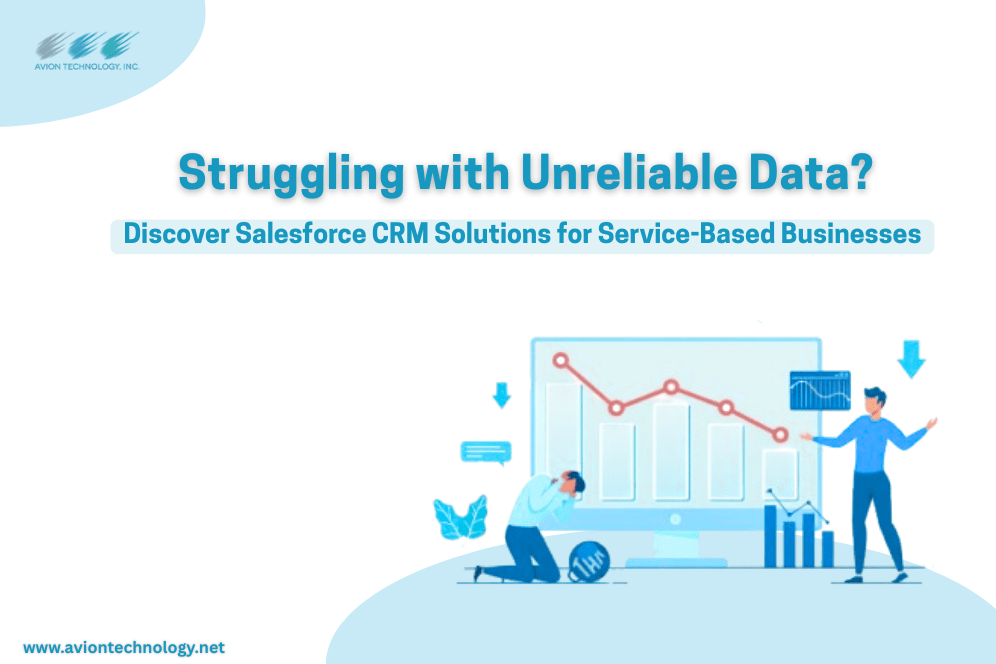
In 2026, service-based businesses are not struggling because of a lack of effort they are struggling because of unreliable data. When your CRM shows duplicate contacts, outdated client information, or inconsistent revenue reports, it creates confusion across your entire organization. Sales teams lose follow-ups. Marketing campaigns target the wrong audience. Leadership cannot trust forecasting reports.And slowly, growth becomes unpredictable.
Across the United States, especially in competitive service markets, companies are realizing that bad data is more expensive than no data at all. The real challenge is not collecting information it is managing it intelligently.
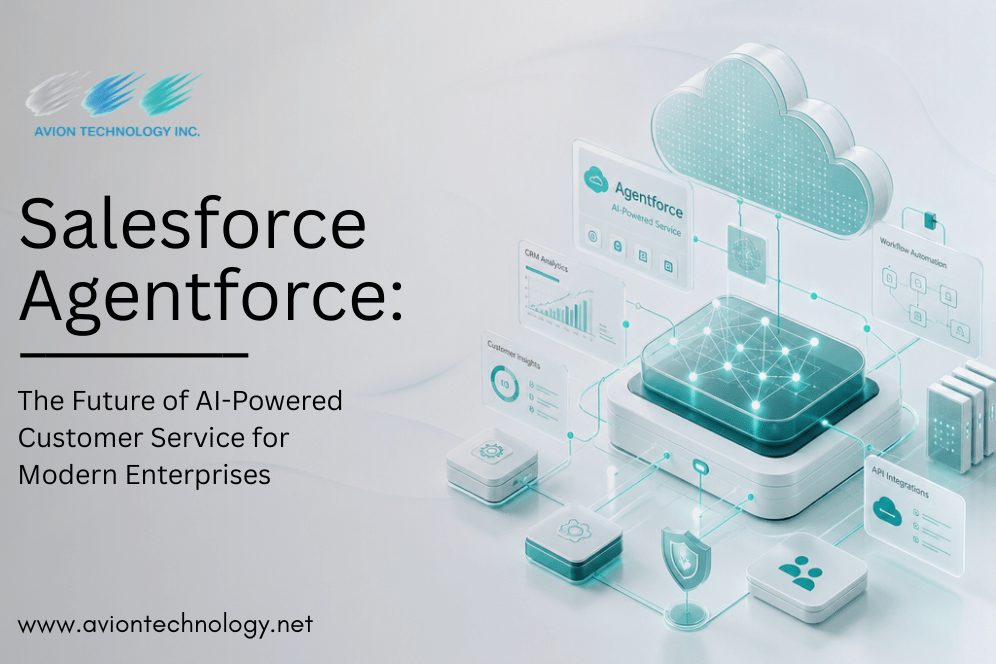
This is where Salesforce has evolved beyond a traditional CRM. In 2026, Salesforce is no longer just a place to store customer records. It has become a real-time data intelligence platform powered by AI, automation, and unified customer insights.
The Shift: From Manual CRM to Intelligent CRM
In many service-based companies, teams still spend hours updating records, correcting mistakes, and manually generating reports. These small inefficiencies add up. Over time, they slow down decision-making and create gaps between sales, marketing, and service teams.
With Salesforce’s latest advancements including enhanced Einstein AI capabilities and the expanded Data Cloud ecosystem businesses now operate with a single, reliable source of truth. Instead of reacting to problems after they occur, companies can predict risks before they impact revenue.
For example, Salesforce can automatically detect duplicate records, flag incomplete entries, and even alert managers when deal data looks inconsistent. Revenue Intelligence dashboards provide real-time forecasting based on actual behavior, not assumptions. This means leadership decisions are based on clarity, not guesswork.
A New Way of Working in 2026
The biggest misconception about AI-powered CRM systems is that they replace people. In reality, they reposition them.
In 2026, sales and service professionals are no longer data entry operators. They are data interpreters and relationship builders. AI handles repetitive administrative tasks, while teams focus on strategy, communication, and client experience.
Salesforce’s low-code tools also allow teams to customize workflows without complex development. This empowers departments to move faster while maintaining governance and compliance standards.
The result is not just cleaner data it is a more confident workforce. When employees trust the system, they make faster and smarter decisions.
Why This Matters for Service-Based Businesses
For consulting firms, SaaS startups, financial services companies, and IT providers, reliable data directly impacts revenue. Accurate forecasting improves resource planning. Clean customer records improve retention. Unified dashboards strengthen collaboration.
In a service business, trust is everything and trust starts with accurate information.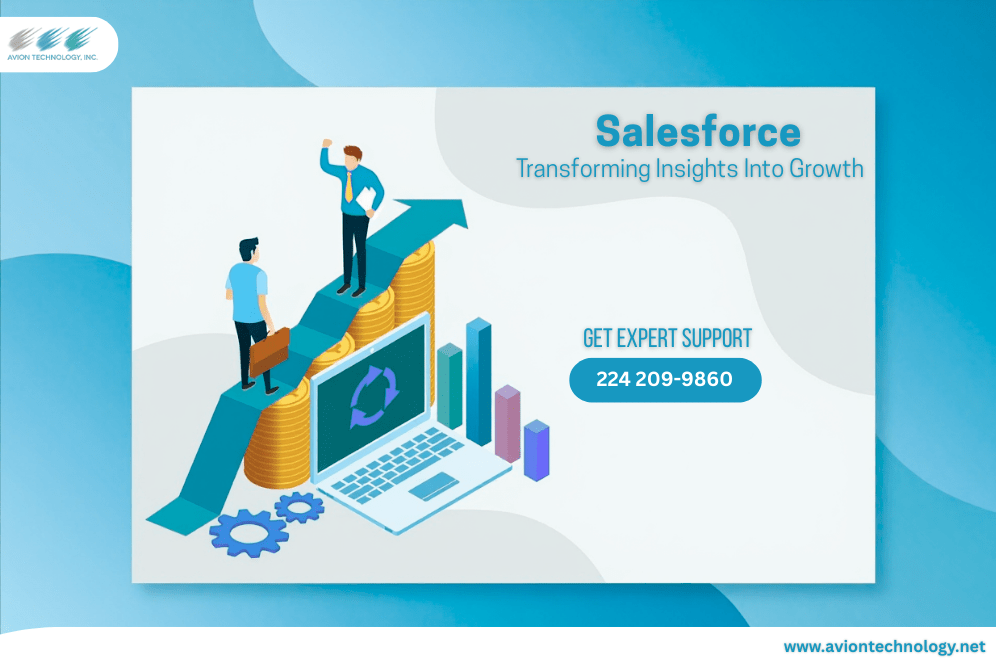
Ready to Eliminate Unreliable Data for Good?
Unreliable CRM data should not control your business growth. With the power of Salesforce, Avion Technology helps service-based businesses build a clean, intelligent, and scalable CRM foundation.
If you’re ready to improve reporting accuracy, align your teams, and drive predictable revenue, connect with Avion Technology today and transform your CRM into a true growth engine.
Frequently Asked Questions
-
How does Salesforce improve data accuracy?
Ans. Salesforce uses AI-powered matching rules, automation, and Data Cloud integration to reduce duplicates and maintain clean records. -
Is Salesforce suitable for growing service startups?
Ans. Yes. Salesforce is scalable and adapts as your client base and operations expand. -
Does implementing Salesforce require heavy technical skills?
Ans. No. With low-code and no-code tools, teams can manage workflows without deep coding knowledge. -
How does AI help with forecasting?
Ans. Einstein AI analyzes historical trends and live pipeline data to generate predictive insights. -
Can Salesforce support long-term business growth?
Ans. Absolutely. Its scalable architecture and intelligent automation make it ideal for businesses planning sustainable expansion.